Ministry of Education Launches Taiwanese Taigi Language Proficiency Testing Overseas



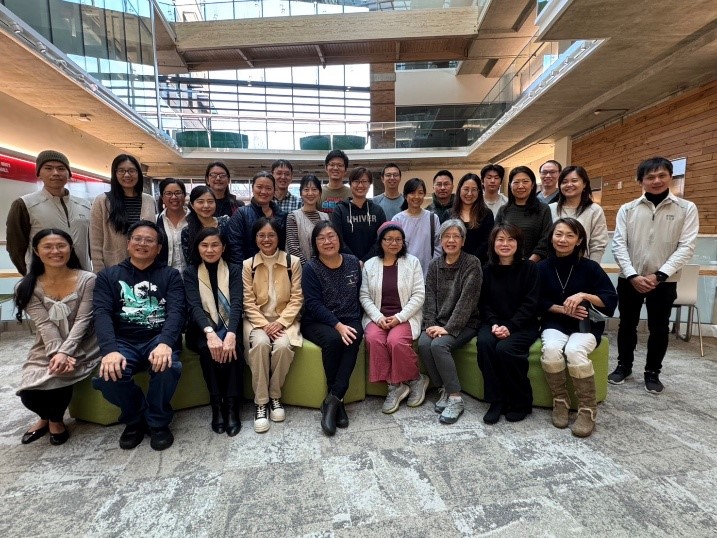
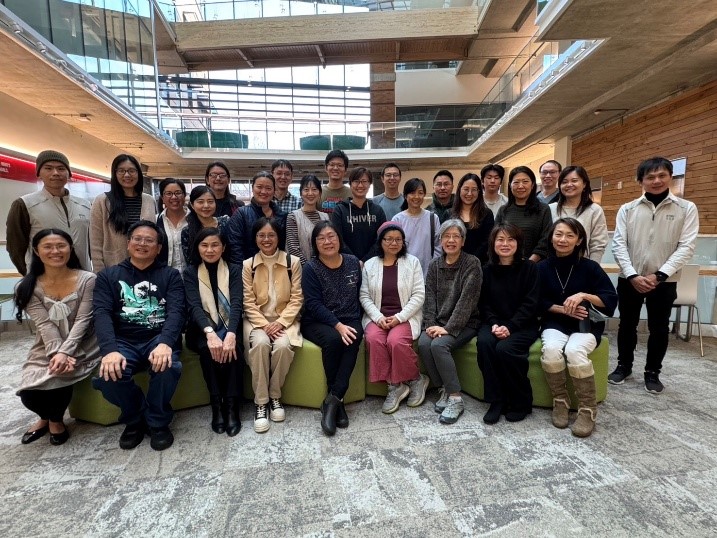
Taiwanese Taigi—also known as Taigi, Taiwanese, Taiwanese Hokkien, Taiwanese Southern Min, Hoklo, and Holo—is the official name of one of the heritage languages of Taiwan, a language that’s spoken or understood by more than half of the population of Taiwan. Taiwan’s Ministry of Education held the Taiwanese Taigi Language Proficiency Test overseas for the first time on December 6, 2025 in the Greater Washington D.C. region, as part of Taiwan’s ongoing efforts to promote its rich linguistic and cultural diversity internationally.
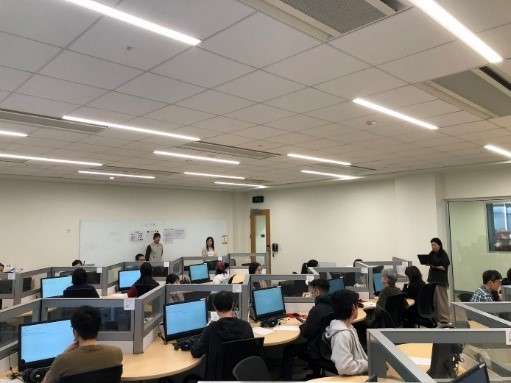
The test was organized by the Ministry and National Taiwan Normal University, and implemented by the Washington D.C. Taiwanese School, with coordination assistance from the Education Division of the Taipei Economic and Cultural Representative Office in the United States. It was held at the Universities at Shady Grove in Maryland at 9 a.m. local time.
Twenty-five people, primarily teachers and students from the Washington D.C. Taiwanese School, registered to sit for the computer-based Version A test, which encompassed the Foundation and Basic levels. This was the first time that this certification test has been held outside Taiwan but all the test procedures, including the system checks, room setup, and invigilation, were conducted using the standardized protocols used in Taiwan.
The testing proceeded very smoothly, with all the equipment working well, and an enthusiastic response from the test takers. The successful candidates will receive an official certificate issued by the Ministry, which will be sent to the Washington D.C. Taiwanese School for onward delivery.
The introduction of the Taiwanese Taigi Language Proficiency Test to the United States represents a significant step in supporting heritage language learning and multicultural education in overseas communities, and strengthening cultural connections with the younger generation. The Ministry is working to enable more people interested in Taiwan’s languages and culture to engage with, learn, and use Taiwanese Taigi Language. Feedback and the results from this first test held outside Taiwan will serve as a valuable reference for the Ministry when assessing the feasibility of expanding Taiwanese Taigi language proficiency certification testing to additional overseas locations in the future.