Learning Language Through Drama: The 2026 International Lecture and Master Workshop on Early Childhood Aesthetic Education



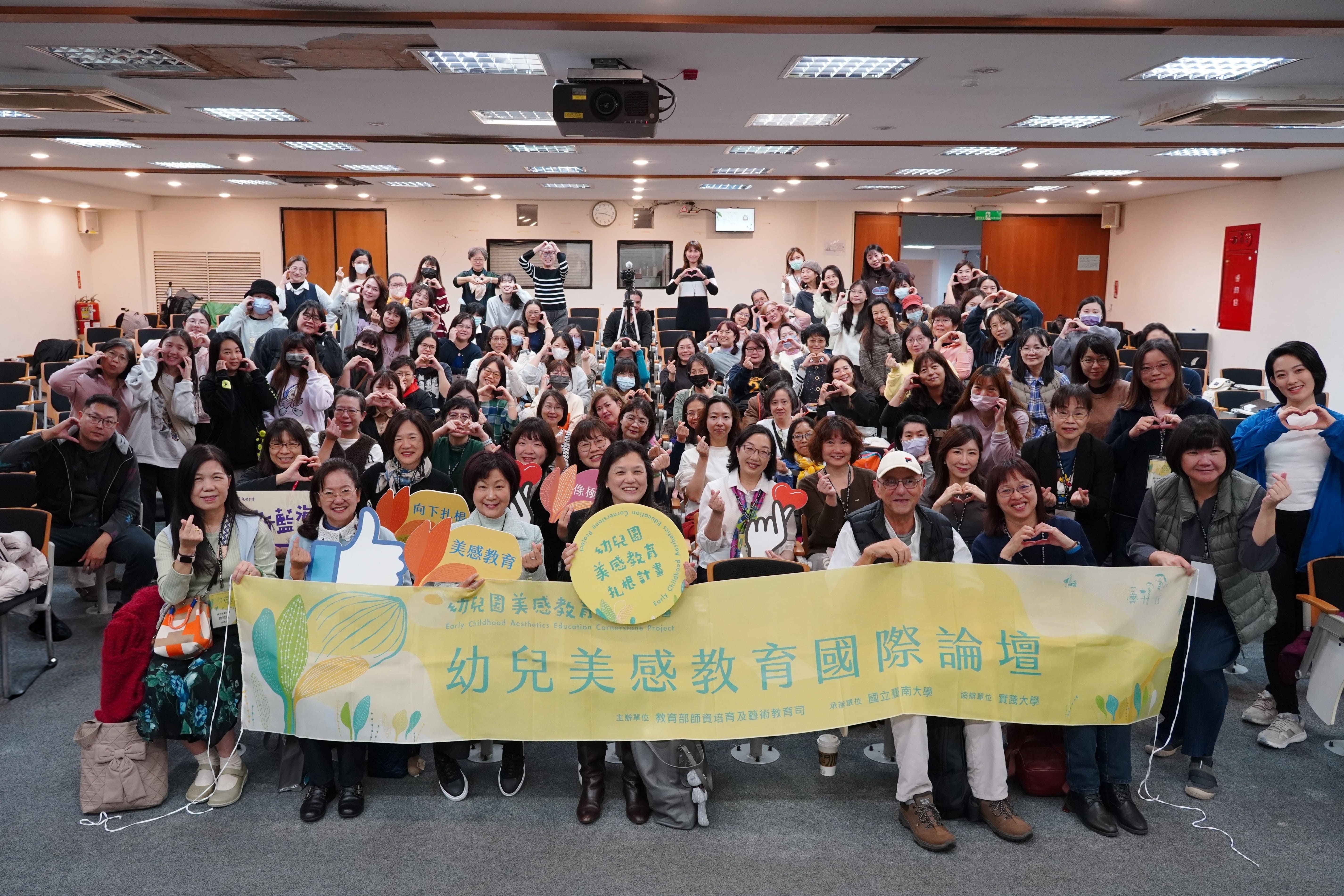
The Ministry of Education (MOE) has commissioned the National University of Tainan to implement the Early Childhood Aesthetics Education Cornerstone Project. In 2026, with the aim of guiding and encouraging teachers to help children transform abstract aesthetic experiences into vivid oral narratives, and to construct early childhood-centered language learning environments through natural teacher-student dialogues and creative contexts, the project brought together domestic and international experts in early childhood education, preschool practitioners, and art education professionals. Under the theme “Cross-disciplinary Art Series II— Aesthetics as a Bridge for Early Childhood Language Learning,” the 2026 International Lecture and Master Workshop on Early Childhood Aesthetic Education was held from January 25 to 26, 2026, at the Taipei campus of Shih Chien University.
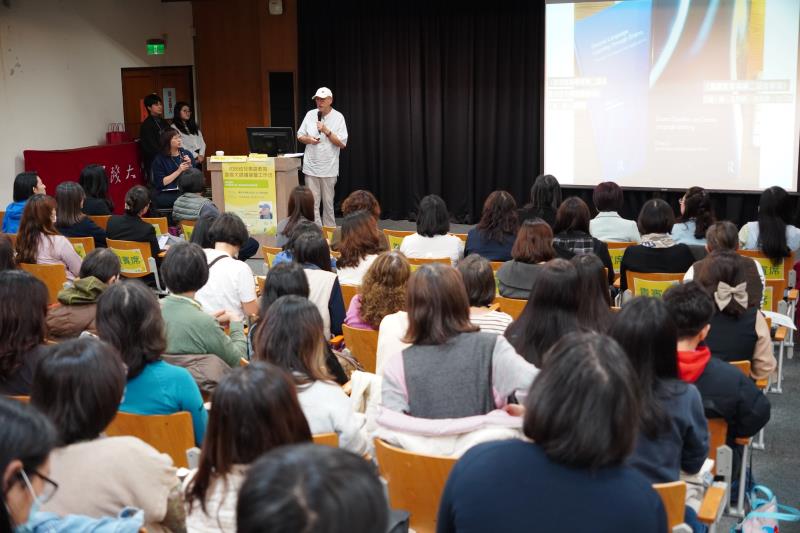
According to the organizers, within just one week of opening registration, related social media posts accumulated over 47,000 views. In addition to registrations from domestic teacher education professors within the field of early childhood education and frontline preschool educators, this event also attracted strong interest from overseas teacher education professors in related fields, primary and junior high school teachers, art education professionals, and many parents. This workshop brought opportunities for profound exchanges across disciplines, languages, and cultures to the domestic and international early childhood education community.
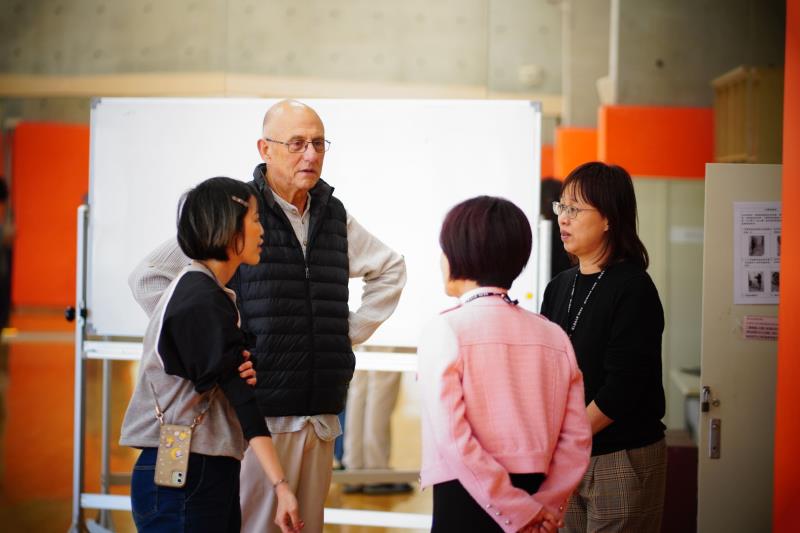
The event especially invited Dr. Joe Winston, an internationally renowned authority in drama education and Emeritus Professor of Drama and Theatre Education at the University of Warwick, United Kingdom. Before joining Warwick University, Professor Winston taught in primary and junior high schools in the United Kingdom and served as a school principal, possessing extensive frontline teaching and educational leadership experience. During his tenure as a professor at the University of Warwick, he coordinated drama and theatre education-related courses for many years and was deeply engaged in the fields of drama and second language learning. His courses enjoy high international recognition and he possesses extensive cross-national research and practical teaching experience.
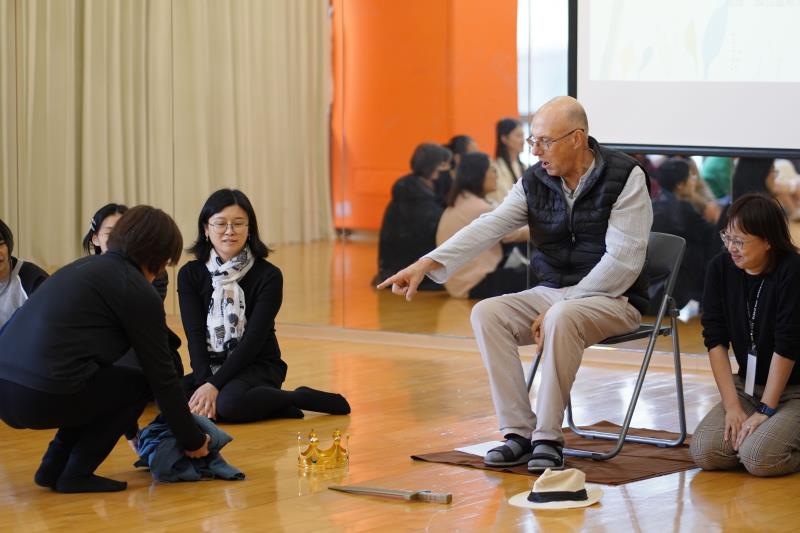
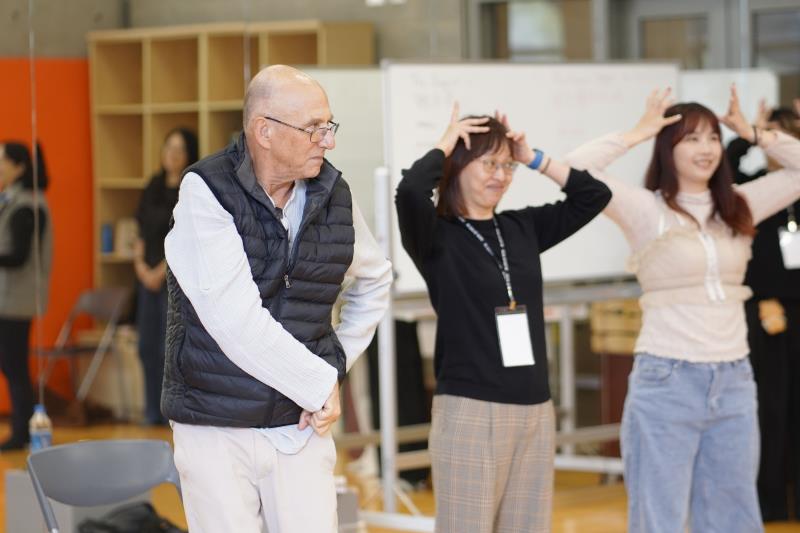
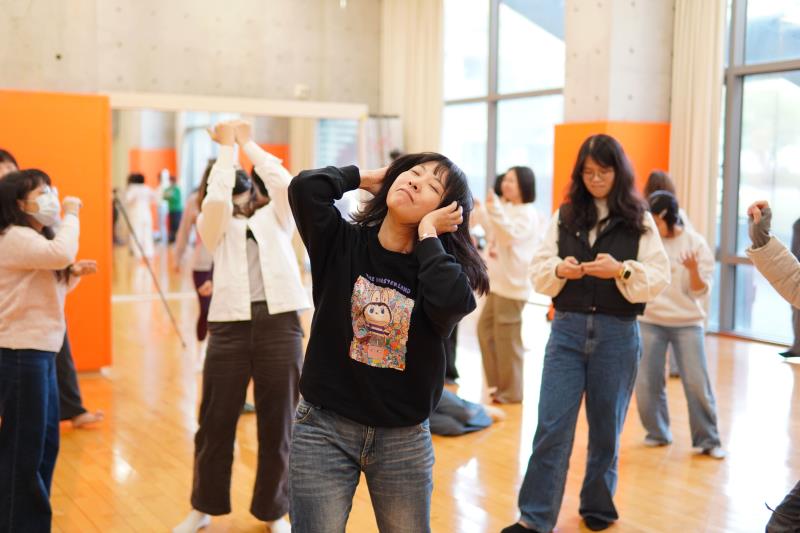
During the workshops held on January 25 and 26, Professor Winston used Hans Christian Andersen’s well-known story “The Emperor’s New Clothes” to guide participants in experiencing performative language teaching activities, which utilized games, songs, chants, and drama strategies.
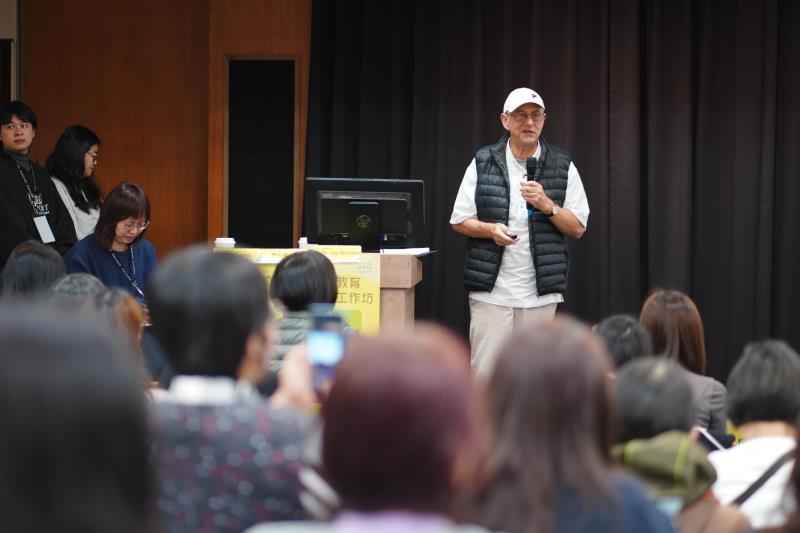
Additionally, in his master lecture on January 26 titled “The Aesthetics of Performative Language Teaching for Preschool Learners”, Professor Winston emphasized that language learning is not merely about memorizing vocabulary and grammar, but is an integrated learning experience that engages the body, emotions, and imagination. Through drama and play, children can naturally encounter pronunciation, vocabulary, and sentence structures in a stress-free and emotionally safe environment, which also encourages them to express themselves more confidently. Using several examples understandable to practicing teachers, Professor Winston explained the concept of performative language teaching, and introduced the metaphors of “maps” and “stories” to illustrate the significance of this pedagogy within the learning journey.
Guided by the philosophy that “Aesthetic Education Begins in Early Childhood, Lifelong Aesthetic Learning,” this event aims to challenge conventional perceptions of dramatic plays and highlights drama as one of the tools for young children’s language learning in order to enrich the diversity of early childhood classrooms. By integrating drama strategies into teaching, early childhood learners are able to use language naturally in meaningful and contextualized situations, strengthening their native language ability, while also engaging more comfortably with second languages. At the same time, this relaxed and enjoyable learning process fosters early childhood learners’ abilities in cooperation, expression, and empathy, thereby promoting Social and Emotional Learning (SEL) and ultimately showcasing the fruitful outcomes of aesthetics as cross-disciplinary pathways for learning.
The MOE stated that it has long been committed to promoting aesthetic education from early childhood onwards. The MOE looks forward to extending the outcomes of this international and cross-disciplinary exchange into early childhood classrooms, and to continuing the cultivation of the next generation with aesthetic literacy, language competence, and international perspectives. For more information, ple ase visit the Aesthetics Education Resource Integration Platform (https://aew.moe.edu.tw/)