Polish & Taiwanese Mandarin Chinese Educators Gather in Poznań to Enhance Modern Language Teaching Skills



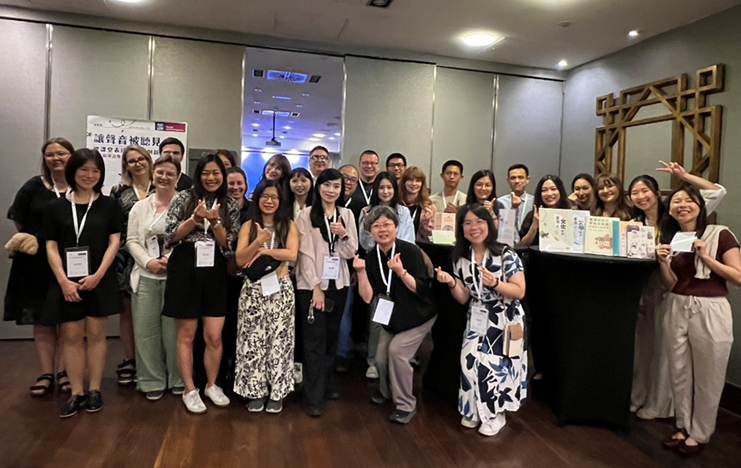
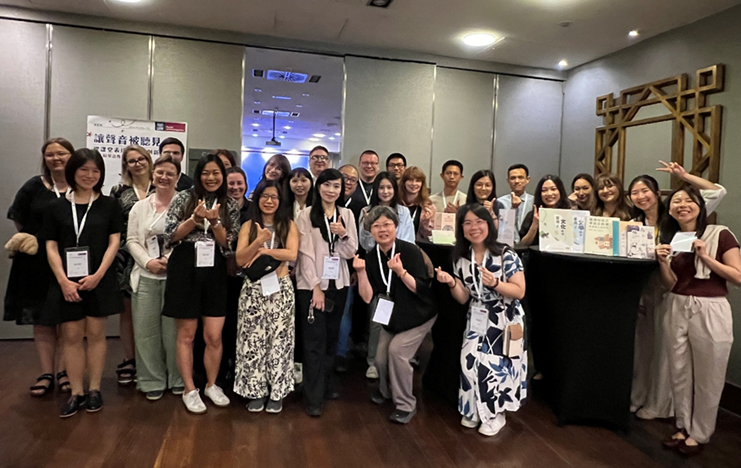
The Education Division of the Taipei Representative Office in Poland organized the 2nd Workshop on Teaching Chinese as a Second Language, in Poznań on June 6 and June 7, 2026, in collaboration with Adam Mickiewicz University. It brought together 27 leading Mandarin Chinese educators from Poland and Taiwan, representing major Sinology departments across Poland. Poland currently lacks specialized professional training programs for teaching Mandarin Chinese as a second or foreign language, and educators from Taiwan are scattered across various regions, so this gathering of 27 dedicated educators served a critical need.
The theme of the intensive two-day workshop was Making Voices Heard. It was designed in partnership with Professor Norbert Kordek, Chair of the University’s Department of Taiwan and Vietnam Languages and Cultures Studies. Professor Kordek invited Professor Chang Ching-Lan 張金蘭, Chair of the Department of Language and Creative Writing at National Taipei University of Education, to lead the sessions.
The workshop modules focused on: enhancing oral expression, culturally oriented course design, and the integration of cutting-edge teaching tools, such as AI and podcasts, and it was tailored taking into account the unique learning characteristics of Polish university students.
To maximize professional networking, the organizers strategically arranged the seating to alternate Taiwanese and Polish educators, and to group teachers from different institutions together. Professor Chang made use of engaging presentations, reflective teaching exercises, and dynamic group discussions that kept the energy level high both days. The National Museum of Taiwan Literature and the Mandarin Training Center at National Taiwan Normal University generously donated Taiwanese literature and cultural teaching materials to the participants, providing vital resources to expand Taiwan’s cultural footprint across Polish universities and promote Taiwanese heritage abroad.
The workshop generated enthusiastic responses. The participants said that they had gained invaluable practical skills and a renewed passion for teaching.
"Teaching abroad for many years, it has been a long time since I attended any in-person Mandarin pedagogical training," said one Taiwanese Mandarin teacher. "Learning how to leverage AI and podcasts as instructional tools was incredibly exciting. I can’t wait to implement these techniques in my own classroom."
The workshop also consolidated the Taiwan–Poland Mandarin Chinese teaching network which provides avenues for continuing interaction. And it demonstrated the practical value of Taiwan’s language learning resources.